
tempered glass video
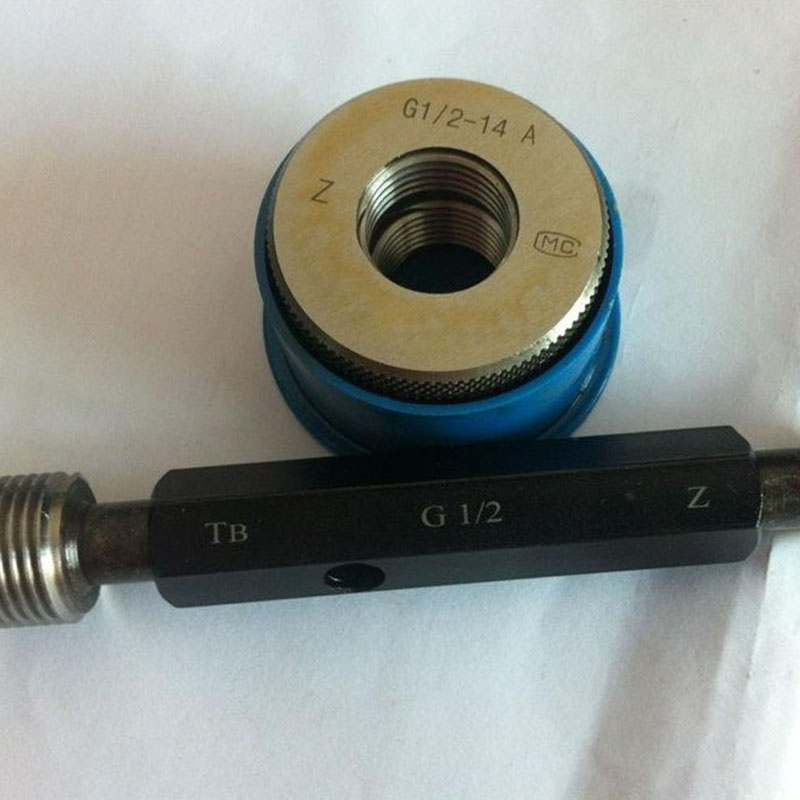
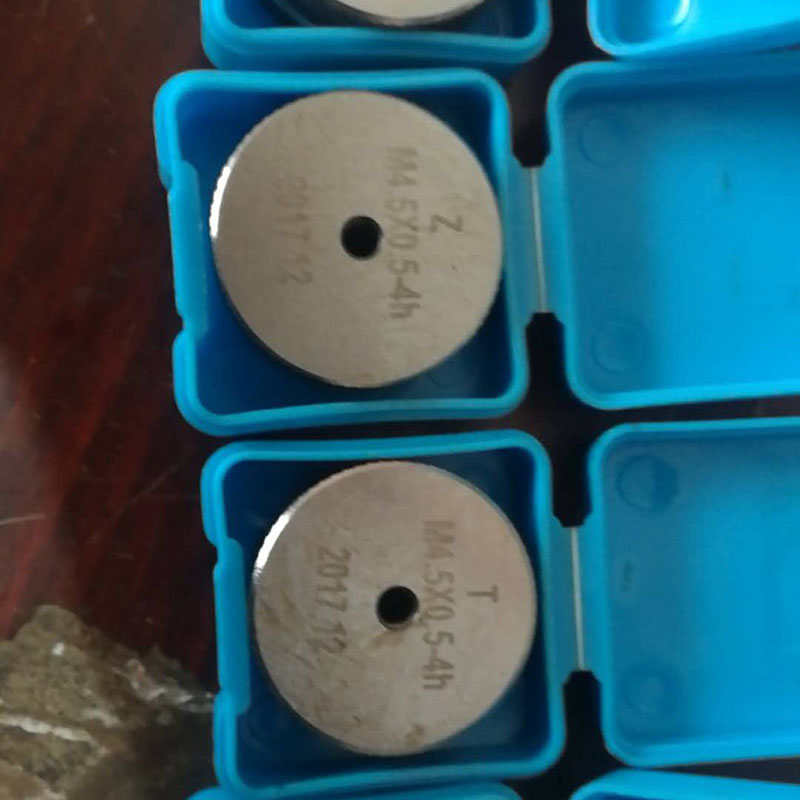
Understanding Thread Go/No-Go Gauges An Essential Tool for Quality Control In the fields of manufacturing and engineering, precise measurement is crucial for ensuring that components fit together properly and function as intended. One of the key tools in this realm is the thread go/no-go gauge, a simple yet highly effective device used to inspect threaded parts. This article will delve into the purpose, design, and importance of these gauges in maintaining quality control. What is a Thread Go/No-Go Gauge? A thread go/no-go gauge is a measuring tool designed to verify the proper dimensions and tolerances of threaded features. It consists of two parts a go gauge and a no-go gauge. The go gauge is used to check the maximum allowable size of the thread, while the no-go gauge checks the minimum allowable size. Together, they help ensure that the threaded part meets the specified standards and can achieve a proper fit with corresponding components. Purpose and Functionality The primary purpose of a go/no-go gauge is to facilitate a quick and reliable inspection process. By using these gauges, manufacturers can efficiently determine whether a threaded part is acceptable for use. During production, threads may be subjected to various factors that can lead to errors—such as wear, tool damage, or improper machining. The go/no-go gauge serves as a definitive testing method, enabling engineers and quality control inspectors to identify parts that fall outside permissible limits. When a part passes the go gauge, it indicates that the thread is within the maximum size limit, meaning it can be assembled with the mating part. Conversely, if a part fails the no-go gauge, it indicates that the thread is larger than the minimum size limit, which could lead to improper fitting or function. Design and Features thread go nogo gauge The design of thread go/no-go gauges can vary depending on the specific application, including the type of thread (e.g., metric or imperial) and the size range being measured. These gauges are often made from high-quality materials, such as hardened steel, to withstand wear and maintain precise dimensions over time. Many modern gauges also incorporate ergonomic features, making them easier to handle and use in production environments. Additionally, some gauges can be designed with a built-in indicator to provide further feedback to the operator, ensuring that the measuring process is both efficient and accurate. Importance in Quality Control Implementing go/no-go gauges in manufacturing processes is critical for quality control. Inaccurate threads can lead to assembly failures, decreased product performance, and ultimately dissatisfied customers. By using these gauges, manufacturers can detect issues before parts are assembled into final products, reducing the risk of costly recalls or repairs. Moreover, go/no-go gauges can help ensure compliance with industry standards and regulations. Many sectors, such as aerospace and automotive, require exact specifications to ensure safety and reliability. Regular use of these gauges can assist companies in maintaining certification and demonstrating their commitment to quality. Conclusion Thread go/no-go gauges are indispensable tools in the manufacturing and engineering sectors. Their simple design and effective functionality provide a reliable method for ensuring that threaded parts meet critical specifications. By integrating these gauges into quality control procedures, manufacturers can enhance product reliability, improve operational efficiency, and ultimately deliver superior products to their customers. As industries continue to evolve, the importance of precise measurements and quality assurance will remain paramount, making thread go/no-go gauges relevant for years to come.
about
tempered glass video
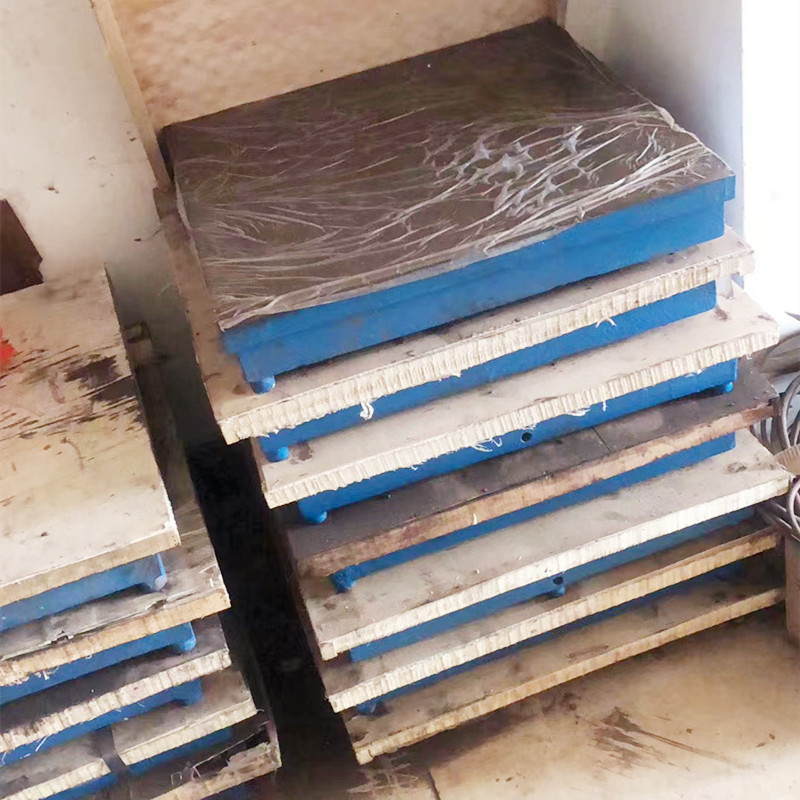
Enhancing Your Welding Workflow with a Portable Welding Table In the world of metal fabrication and repair, having the right tools can make all the difference in the quality of work produced. One essential piece of equipment that often gets overlooked is a portable welding table. This humble yet versatile tool can significantly enhance efficiency, precision, and overall convenience for welders at all skill levels. A portable welding table is designed with mobility in mind. Unlike traditional welding stations that are large, cumbersome, and permanently fixed in place, these tables are lightweight and easy to transport. They typically feature folding legs and compact designs that allow them to be quickly set up or disassembled as needed. This portability is particularly beneficial for welders who frequently move between job sites or those who have limited space in their workspace. The functionality of a portable welding table extends beyond just its convenience. These tables are often constructed from materials that can withstand the high heat and sparks generated during welding processes. Some models include mesh surfaces that help to contain the welding area, preventing sparks from landing on combustible materials nearby. Additionally, many come equipped with clamps and other fixtures that secure the metal pieces being worked on, offering stability that can lead to more precise welds. Another advantage of using a portable welding table is the improved ergonomics it offers Another advantage of using a portable welding table is the improved ergonomics it offers Another advantage of using a portable welding table is the improved ergonomics it offers Another advantage of using a portable welding table is the improved ergonomics it offers portable welding table . With adjustable heights and angles, welders can position their work at a comfortable level, reducing strain on their backs and necks. The ability to customize the working height also ensures that each project can be approached at the most efficient angle for the type of weld being performed. Portable welding tables often provide additional features such as built-in storage compartments for welding accessories, slots for organizers, and even integrated tool trays. These extras help to keep a welder's workspace clean and organized, which is not only more efficient but also safer by reducing tripping hazards and keeping tools within easy reach. For those looking to invest in a portable welding table, it is important to consider the size of the table in relation to the projects you will be working on, as well as the weight capacity to ensure it can support your pieces. The material of the table should also be considered; some are made from steel for durability, while others may use aluminum for lighter weight. In conclusion, a portable welding table is an invaluable asset for any welder seeking to improve their workflow. It combines convenience, functionality, and ergonomics into one compact package that can elevate the welding experience. Whether you're a professional craftsman or an enthusiast tinkerer, investing in a high-quality portable welding table could very well be the key to unlocking your full potential in the realm of metalwork.
-

High quality industrial productsagement

High quality industrial products
View Details -

Meet the diverse needs of customers

Meet the diverse needs of customers
View Details -

Strict quality control

Strict quality control
View Details -

Top raw materials

Top raw materials
View Details -

Trusted supplier

Trusted supplier
View Details
Our application

news and information
Válvula de cierre 3 4
Válvulas de Globo Características y Aplicaciones Las válvulas de globo son un tipo esencial de válvu

Versatile 90 Degree Angle Tool for Precision Measurements and Layouts
The 90-degree angle ruler, also known as a right angle ruler, is an essential tool in various fields
Versatile 5x10 Foot Welding Table for Efficient Metalworking Projects and Fabrication
The Importance of a 5x10% Welding Table in Modern Metal Fabrication Welding is an essential process
 English